.png)


The magic of Studio Ghibli and how it proves to us that cartoons are not just for children. ✨
- Georgia Polychronidi
- May 26, 2021
- 7 min read
About Studio Ghibli
Studio Ghibli is a Japanese animation film studio founded in 1985 by the directors Isao Takahata and Hayao Miyazaki. Till this day it has produced 22 feature-length films, most of which topped the Japanese box office the year they were released. The distinctive features of Studio Ghibli its traditionaly hand-painted designs and the various hidden and obvious messages it includes in its films, which are not uncommon to collide with each other. As well as the strong female characters that are not overshadowed by the male ones or the romance that may exist between them, which is characterized by mutual support and opposes the one-sided dependence that we usually see in similar relationships of female and male characters.In addition, through his creations, each director expresses his personal opinion on issues and events that are either currently concerning or have shaken the world in the past. Let's see some of these movies!
Grave of the Fireflies
"Why must firefiles die so young?"
- Setsuko

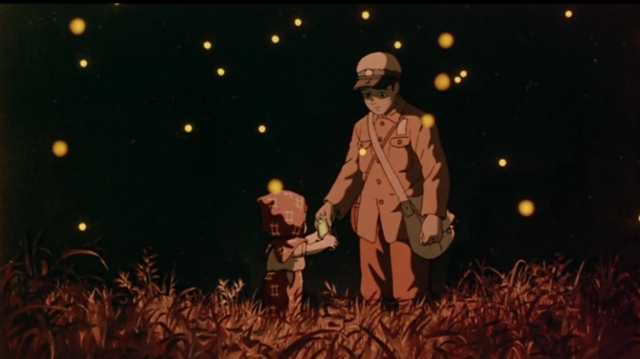
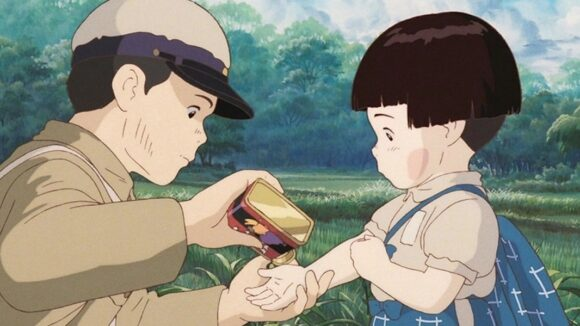
Grave of the Fireflies was created in 1988 and is set in the end of the Second World War, during the period of the American bombings in the city of Kobe, in Japan. In this historical context, we are told about the story of Seita and his little sister, Setsuko, two children who lose their mother during these bombings and are left alone to fend for themselves in a Japan that's on the brink of collapse, with no one being able to help them. It is therefore a film that could be characterized as an anthem against wars and hostilities, showing us the horrific consequences of such situations, the impact they have on the societies involved and above all on their innocent victims, the children. Beautiful, but at the same time cruel and frightening, it enables us to experience the situation that the Japanese was going through at that time, as well as the principles and values that its people embraced. At the same time, we enter, through the protagonists, into the world of children, who are stigmatized and hurt irreparably, but manage to maintain the special characteristics of the character of a child, meaning the liveliness, hope and naivety that always coexist within it. Described as one of Studio Ghibli's "darkest" films, it is a true masterpiece that essentially forces us to reconsider our views of the audience we think an animated film can approach.

Personally, I might not advise any parent to show this movie to their child, as it is anything but a simple conventional children's film that moves within safe limits, inspiring emotion but not sadness. I find it particularly painful for a child's soul, as it deprives the audience of any sense of hope from the first minute. Nevertheless, I find it perfectly suitable for all other ages, as it is able to shock and shake the audience, managing in the most successful way to convey its main message, a resounding NO for wars, through the true experiences of Nosaka Akiyuki, survivor of these events.







Spirited Away
“Once You've Met Someone You Never Really Forget Them. It Just Takes A While For Your Memories To Return.”
-Zeniba to Chihiro

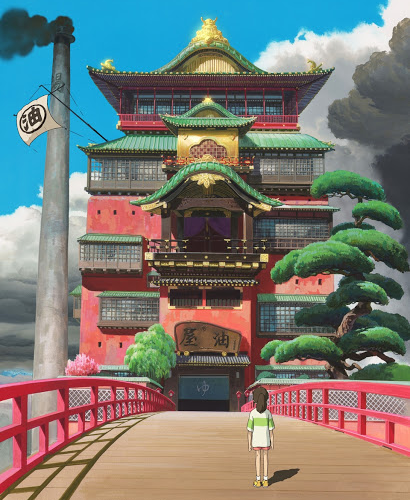
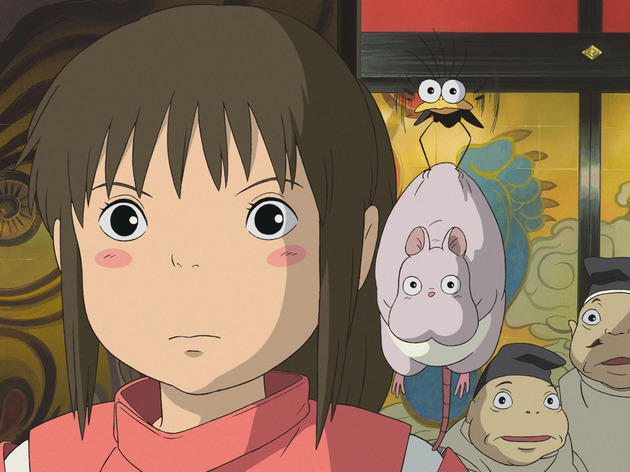
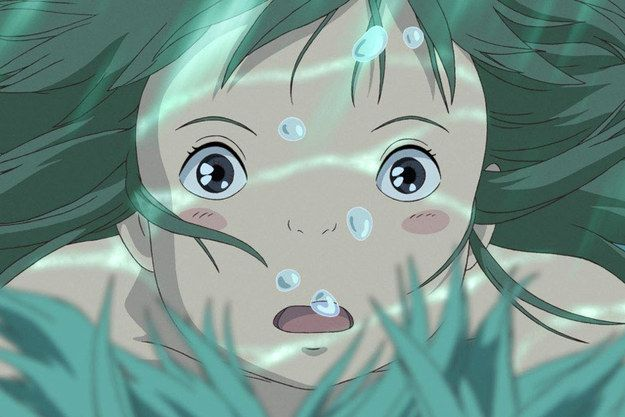
Spirited Away was released in theaters in 2001 and is a film that tells the story of Chihiro who moves with her family to a new home. As they are on the road, her father's carelessness leads them to take a wrong turn and so they end up outside a tunnel. Curious, her parents decide to explore, ending up in a seemingly deserted city full of restaurants, where they decide to stay and dine. At this point the plot suddenly turns upside down and it enters in a magical world full of imaginary spirits, that is dominated by the witch Yubaba, who transforms Chihiro's parents and holds them hostage until she manages to release them and pay off their debt, while working in the baths of Yubaba.
A film full of hidden messages which is essentially the survival story of a young girl who is called to fend for herself and work in an unknown world in order to free her parents from Yubaba, who tries to exploit and deceive her with every opportunity she gets.
Through this girl's adventures, Hayao Miyazaki tries to convey to his audience the value of balance in people's lives, companionship, friendship, mutual help and self-knowledge. Also, it highlights the duality that human characters present, since in the film we observe that there are no absolutely vicious or bad characters. In addition, it raises issues that have an extremely negative impact on today's society - both the Japanese and the global - such as over-consumption and the rapid growth of the sex industry in Japan in particular, commenting its impact on the world of children, as it represents the official statement of Hayao Miyazaki on the subject.

Spirited Away has received international acclaim, winning numerous awards, including the 2003 Academy Award for Best Animated Feature Film.
For me, it's a movie that lifts my spirits every time I watch it, and I have associated it with my childhood and my dad's habit - that he still has - of buying newspapers whenever they included something he thought it would seem interesting to me. I would highly recommend it to children of Chihiro's age, based on which it was designed, as well as to much older people as I think it is an extremely beautiful film, with many more messages than I mentioned, which are worth discovering!










The Wind Rises
“But remember this, Japanese boy... airplanes are not tools for war. They are not for making money. Airplanes are beautiful dreams. Engineers turn dreams into reality.”
-Carponi to Jiro

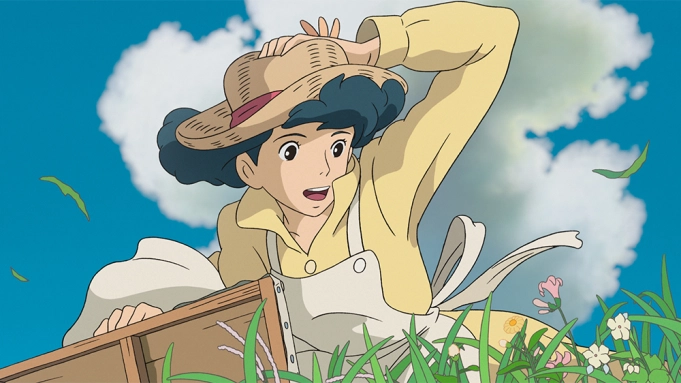
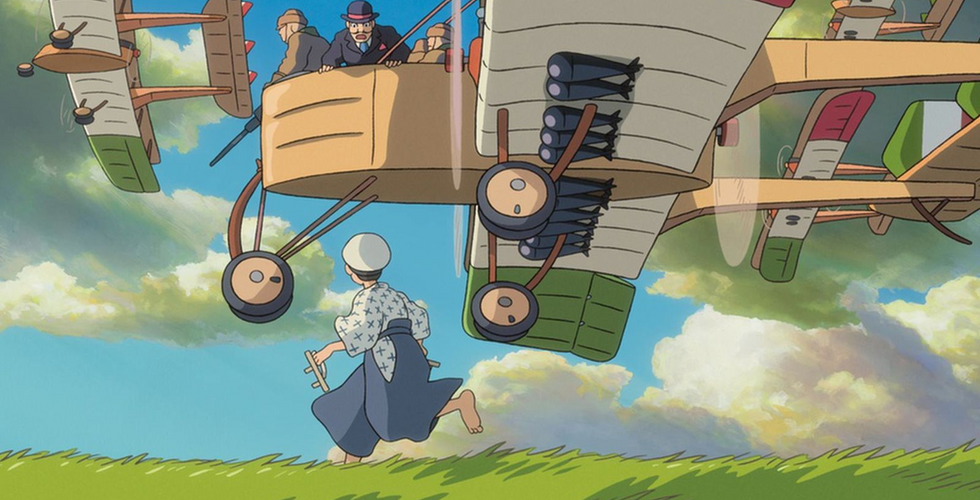
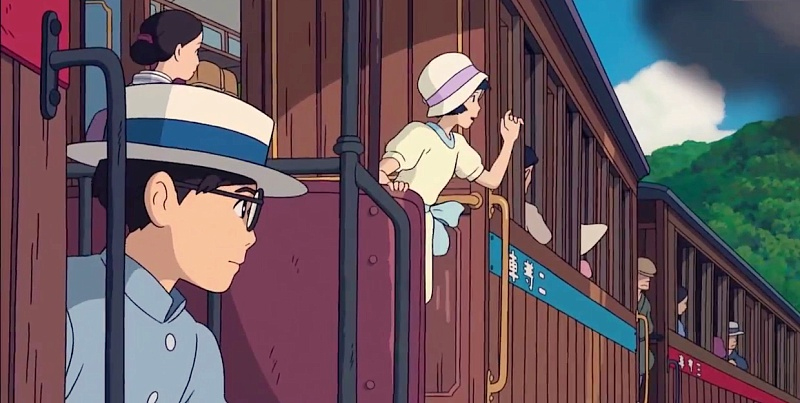
The Wind Rises was introduced to the public in 2013 and it tells the story of Jiro Horikoshi, the creator of the Mitsubishi A6M Zero fighter, which was used by the Japanese in the attack on Pearl Harbor, as well as in many other attacks during World War II.The film begins before the start of World War II where we see the young Jiro who dreams of becoming a pilot. But his dream does not come true because of his vision problems and so he decides to become an engineer and design his favorite airplanes, driven by the imaginary dreams he sees with the Italian aircraft pioneer, Count Caproni.So Jiro is a young man who despises the state that his country is in, thinking that it is at least 20 or 30 years behind the rest of the world, which makes him believe that it is impossible to compete with the technological forces of the world. such as America or Germany. So after he manages to get a job at Mitsubishi, Jiro is sent to Germany as a delegate, to learn about the technology they use and get tips and ideas to return with them to Japan. So in the film, Hayao Miyazaki stays close to Jiro's journey, following him through his dreams, his school years, his research trips to Germany and his sweet friendship with Naoko, who will become his wife, showing us all the moral dilemmas he had to face in order to be able to build the planes he loved so much.
The film is characterized by the strong contrasts that it communicates through the issues it raises, since we see that in the protagonist's dreams the sky is full of colorful planes, large fancy paper birds, or well-made dragons, harmless elements. As the film goes on, and as Mitsubishi competes for contracts with the military and navy, he realizes that he is designing a killing machine. So suddenly Jiro's dreams become dark and ominous and the beautiful, colorful planes turn into terrifying monsters that erupt through the turbulent clouds. Something similar happens with his relationship with Naoko.

In general, The Wind Rises is a mild war film that through the life, dreams and concerns of Jiro reveals various ethical dilemmas that those who are involved in the field of technology, are called to face, while also giving us the opportunity to see once again what were the social conditions that prevailed in Japan at that time and how people saw life and war. How the dreams of both the protagonist and the entire Japanese society turned into nightmares because of the war. However, Hayao Miyazaki took care, as usual, not to make his intentions obvious, which in this case enabled many critics who claimed that he was praising his country's "achievements" in the Second World War. But it is actually an anti-war film, - just like the Grave of the Fireflies - which was inspired by the words of Jiro Horikoshi, who claimed in his biography that "All I wanted to do was to make something beautiful". Many also criticized the smoking that the characters often indulge in. Nevertheless, I believe that it is a film suitable for younger ages, as long as they know perhaps a little of the historical content to which it refers, even though we could say that it is targeted to an older audience.











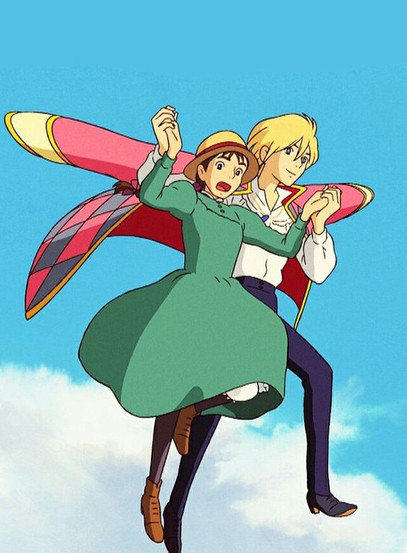
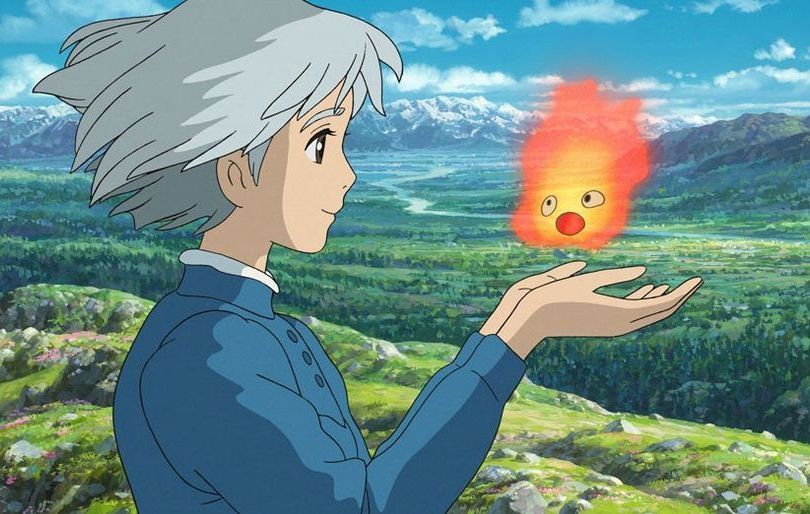
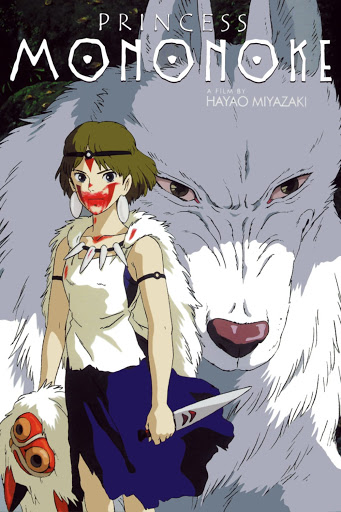
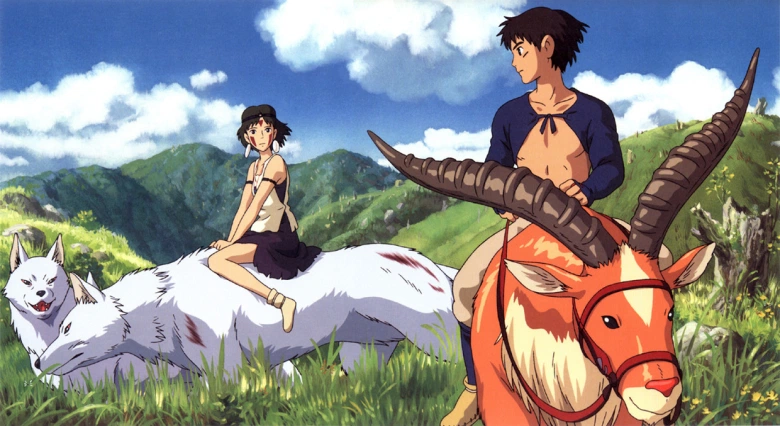
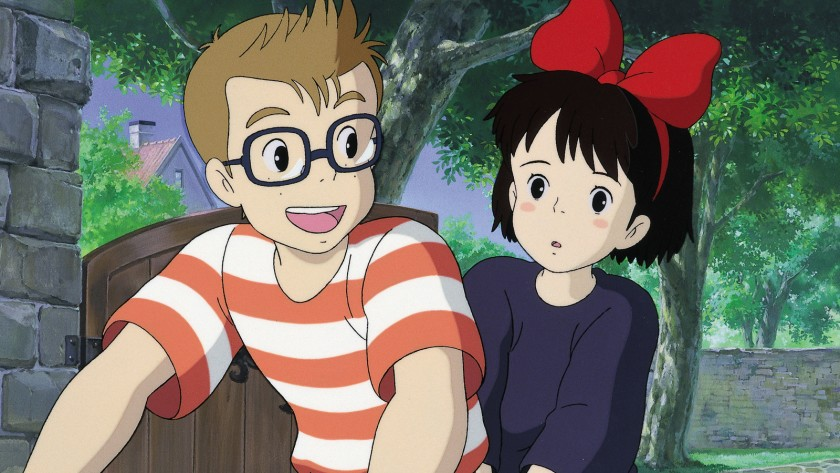
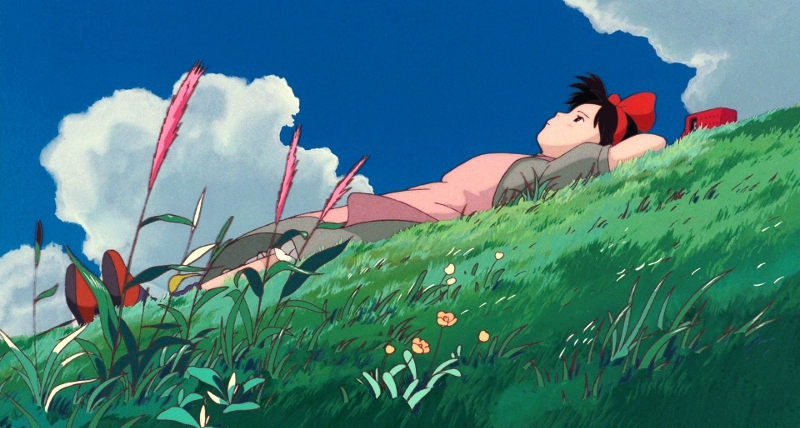
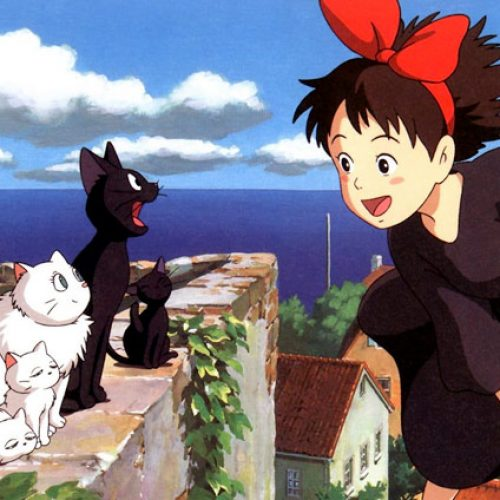
Other movies of Studio Ghibli...















My opinion on Studio Ghibli
Since I have to let you continue with your life, I will conclude that I love Studio Ghibli and I particularly enjoy the opportunity it gives us to discover the Japanese culture over the centuries, creating moral concerns and arousing our curiosity about the meaning that can be hidden in any scene. Each repetition of the movies you have already watched is really unique, since you always discover something new. And in the end I think it manages to prove to us that anime and animation in general is an art form that is not only aimed at children, but can comment on a variety of events and convey loud messages in an equally dynamic way with a live action movie.
I hope that my post made you a bit interested in this enchanting studio, so you check it out in your free time and come to love it as much as I do!
Until then, I wish you good luck and we will meet again!
Georgia ❤️
“Many of my movies have strong female leads—brave, self-sufficient girls that don't think twice about fighting for what they believe with all their heart. They'll need a friend, or a supporter, but never a savior. Any woman is just as capable of being a hero as any man.”
-Hayao Miyazaki
Disclaimer: All photos are taken from the movies I mentioned.
Comments